First Steps in Bachata — What Every Beginner Should Know
A complete beginner's guide to learning bachata. We cover the basic timing, essential steps, and how to build confidence as a new dancer.
Read Article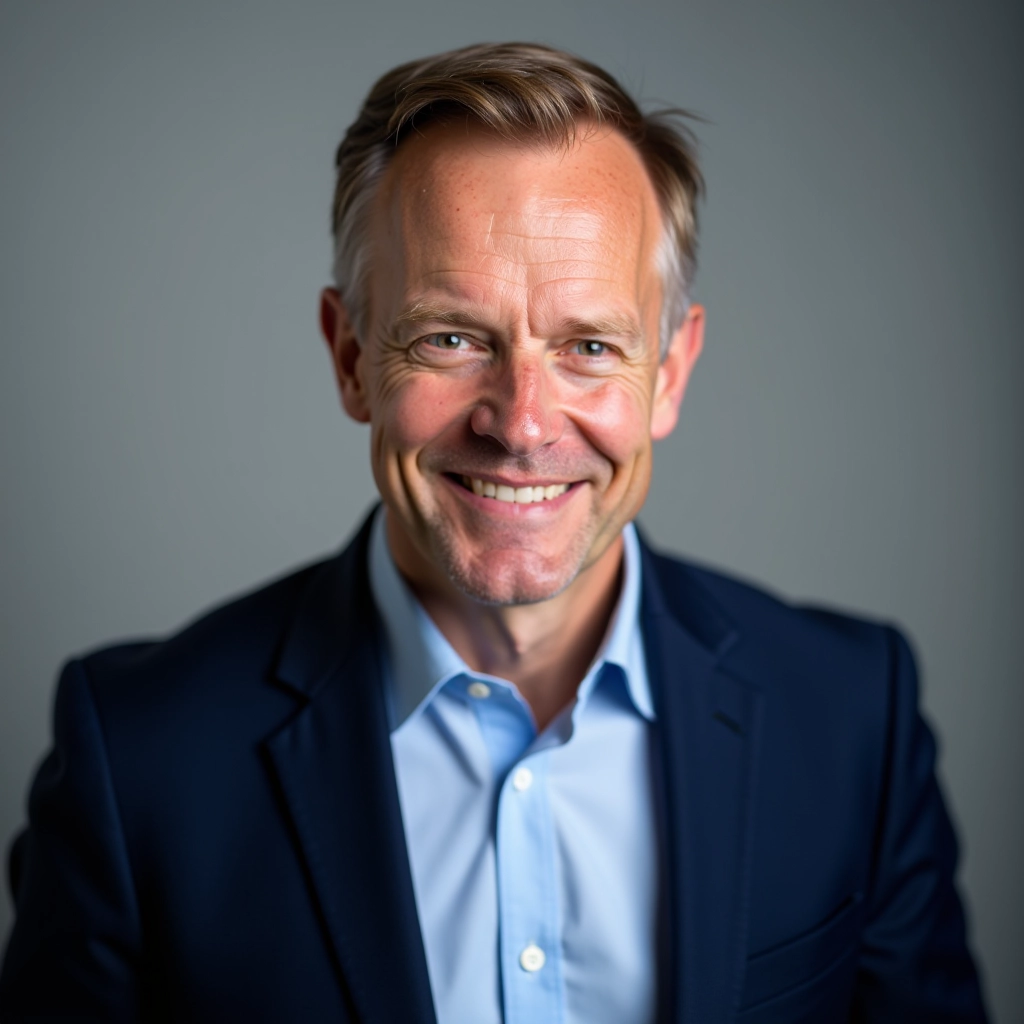
Senior Dance Education Expert
wellrid SIA
Helping mature adults discover social dance through beginner-friendly bachata and salsa programs across Latvia
Years Teaching Dance
Mature Adults Trained
Dance Centers (Rīga & Sigulda)
Years Specialized in 45+ Programs
Areas of Focus
First steps in bachata for complete beginners. We cover basic timing, body movement, and partner connection in a judgment-free environment.
Salsa fundamentals adapted for adults over 45. Focused on proper footwork, rhythm awareness, and building confidence on the dance floor.
Dance as a tool for cardiovascular health, mobility, and mental wellbeing in the Baltic climate. Research-backed approaches to age-appropriate training.
Guidance on selecting a dance program that fits your needs, learning style, and goals. We discuss what to look for in Rīga and Sigulda options.
Curriculum design and teaching methodologies that work for mature learners. No prior dance experience required—just willingness to learn.
Teaching approaches that account for Baltic climate challenges. Indoor training optimization, winter wellness, and consistent progress year-round.
Professional Background
I completed my undergraduate degree in Kinesiology from Riga Stradiņš University back in 2006. Honestly, dance wasn't on my radar at that point. I started working as a fitness coordinator at a health center in central Rīga, helping people with basic exercise routines and rehabilitation. But I kept noticing something: the people who stuck with fitness longest weren't the ones doing solo workouts. They were the ones in group activities.
Around 2008, I got curious about dance. I wasn't sure why exactly—maybe it was watching people light up during salsa nights, or maybe I just sensed there was something powerful there. I pursued formal Latin dance training in Barcelona from 2008 to 2010, then spent two years in Buenos Aires (2010-2012) learning tango and deepening my understanding of partner dancing. Those years changed everything. I wasn't just learning steps—I was learning how dance creates connection, builds confidence, and changes how people move through the world.
When I came back to Latvia in 2012, I started teaching salsa in standard adult classes. But I noticed something kept happening: older participants—people in their 50s and 60s—would show up for a few weeks, then quietly stop coming. They'd say things like "I don't belong here" or "Everyone else is better than me." That frustrated me. I knew the barrier wasn't ability. It was confidence. It was the culture around dance in Latvia at that time. In 2015, I made a decision. I opened the first dedicated beginner salsa program specifically for adults over 50 in central Rīga. Started with 8 people. Within three years, we had 120 regular participants. That's when I knew this was my real work.
Working with mature learners in Latvia taught me something critical: the Baltic climate affects how we move and think about movement. Limited daylight in winter. Cold weather that makes joints stiffer. The seasonal patterns of mood and energy. I couldn't just copy teaching methods from warmer climates. I developed my own approaches—indoor optimization strategies, winter wellness protocols, ways to keep people motivated when it's dark at 4 PM. In 2019, I conducted research on dance-based interventions for cardiovascular health in mature Latvian adults, which was published in the Baltic Journal of Health and Physical Activity. That research validated what I'd been seeing: dance works for this population, but only if you teach it the right way.
By 2018, the Rīga program had outgrown its original space. We opened a second center in Sigulda to serve the region beyond the capital. Today, both centers run year-round programs, and we've trained over 1,200 mature adults in beginner bachata and salsa. At wellrid SIA, I lead educational content development for dance accessibility and wellness initiatives. The work is still about the same thing it's been about since 2015: making dance accessible, removing the barriers that keep people from discovering something that could genuinely change their lives.
People often ask why I focus on the 45+ demographic specifically. The honest answer: that's when the benefits become most obvious. You've got more self-awareness. You're less worried about looking foolish. You understand your body better. And you're genuinely motivated by health and connection—not social status or Instagram posts. The health gains from consistent dance training at 50 are remarkable. Better cardiovascular function. Improved balance and coordination. Stronger bones. But more than that—the mental health benefits. Confidence. Purpose. A genuine community. That's what I've built these programs around.
Education & Certifications
Riga Stradiņš University, 2006
International Dance Teachers Association, 2012
Dance-based interventions for cardiovascular health in mature populations, Baltic Journal of Health and Physical Activity, 2019
Annual training in adaptive teaching methodologies, gerontology, and seasonal wellness practices, 2013–present
Core Competencies
Featured Content
Educational guides on beginner dance, health benefits, and finding the right dance school for mature adults in Latvia
A complete beginner's guide to learning bachata. We cover the basic timing, essential steps, and how to build confidence as a new dancer.
Read ArticleLearn salsa at your own pace. This guide explains the fundamentals, adapted teaching techniques, and why age isn't a barrier to learning well.
Read ArticleWhat to look for when selecting a dance program. We discuss instructor credentials, class size, curriculum structure, and facilities.
Read ArticleResearch-backed insights into cardiovascular health, bone density, mental wellbeing, and seasonal wellness strategies for mature dancers.
Read ArticleTeaching Philosophy
"Age 45 is precisely when the health benefits of consistent movement become most transformative. Dance isn't about being the best dancer in the room—it's about finding joy in movement, building strength, and connecting with other people."
I've worked with hundreds of people who've never danced before. The first barrier isn't physical—it's mental. We start by removing judgment. You're not being compared to anyone else. You're measured only against where you started.
It's not about lowering standards—it's about finding the right entry point. We adapt teaching methods, not the dance itself. You'll learn real salsa and bachata, just the way that works for your body and your learning style.
Dance is powerful medicine. Cardiovascular health, balance, coordination, bone density—these aren't side effects of learning to dance. They're the point. Everything I teach is designed with your long-term health in mind.
We're building something together. Social dance is meant to connect people, not divide them. The best moments happen when dancers genuinely enjoy each other's company.
Whether you're curious about starting bachata, want to know more about our programs, or have questions about dance for mature adults, I'm here to help.