Getting Started
How to Choose a Dance School in Rīga and Sigulda
What makes a good dance school? We cover location, instructor experience, class sizes, atmosphere, and how to know if a school's actually right for you.

Finding Your First Dance Home
Choosing a dance school feels bigger than it should. You're stepping into something new, probably nervous, maybe a little uncertain if you'll actually enjoy it. Here's the thing though — the right school makes all the difference. A good dance school isn't just about the location or fancy mirrors. It's about the instructors, the people around you, and whether you actually want to show up.
In Rīga and Sigulda, there's no shortage of options. But not every school works for every person. We're breaking down what actually matters when you're looking — the stuff that'll help you find a place where you'll genuinely progress and enjoy yourself.
Location Matters More Than You Think
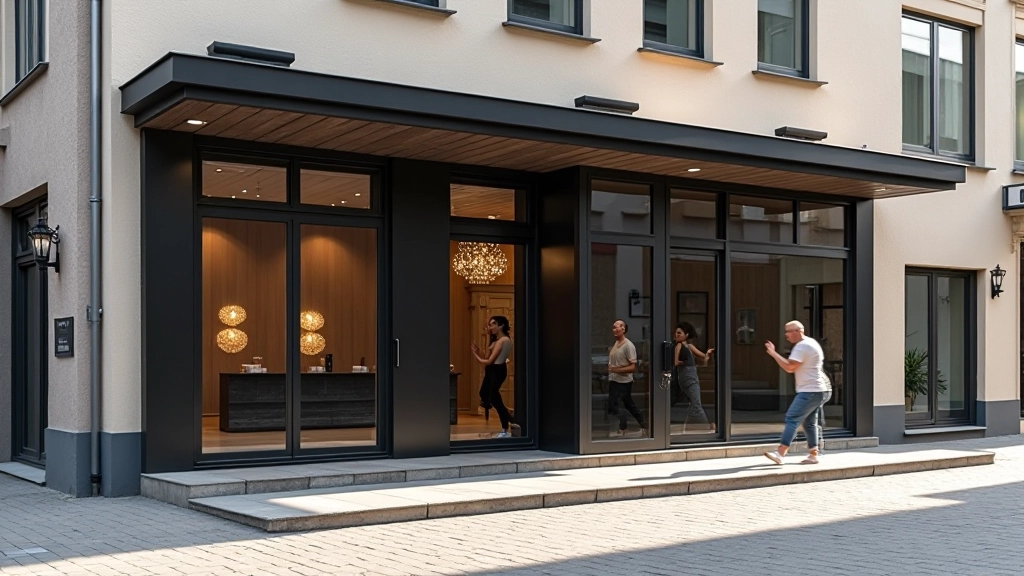
It sounds obvious, but where the school is actually affects whether you'll go. You're more likely to stick with classes if you don't have to spend 30 minutes on public transport to get there. In Rīga, the city center locations (Vecā Rīga, Centrs district) are convenient for most people. They're accessible by tram, bus, or on foot.
Sigulda's different. If you're in the area, you want a school close by since the drive from Rīga takes about 45 minutes. Check if parking's available — that matters more there than in the city. Also look at the neighborhood. Is it safe to walk there in the evening? Can you easily grab a coffee or water before or after? Small details like these keep you coming back.
Pro tip: Visit the location at the actual time you'd be taking classes. Rush hour traffic? Evening darkness? These things affect your experience.

The Instructors Are Everything
This is where it really matters. You could have the perfect location and great facilities, but if the instructor doesn't explain things clearly or makes you feel rushed, you won't enjoy it. What you're looking for: someone who's patient, actually knows how to teach beginners, and doesn't assume everyone picks things up at the same speed.
Ask about their background. Have they danced competitively? How long have they been teaching? The best beginner instructors aren't always the ones who danced at the highest level — they're the ones who remember what it feels like to be completely new. They break things down into small pieces instead of just showing a whole movement and expecting you to copy it.
Don't be shy about sitting in on a class before you sign up. Watch how the instructor interacts with students. Do they give individual feedback? Do they correct things gently? Are people smiling or looking frustrated? That tells you everything.
Class Size and Pacing
Class sizes matter. A beginner group with 8-12 people? That's ideal. Big enough that you don't feel completely exposed, small enough that the instructor can actually see what you're doing and give you feedback. Classes with 20+ people are harder for beginners because you get lost in the crowd.
Also check the pacing. How long are classes? 60 minutes is standard, 90 minutes is getting long for absolute beginners. And how fast do they progress through material? Some schools move through basic steps pretty quickly — fine if you're picking it up, frustrating if you're not. Others spend several weeks just on footwork and timing before adding complexity. Know what style fits you.
Ask about scheduling too. Do they run beginner classes at times that actually work for you? Evening classes at 6:30 or 7pm are most popular. Morning slots exist but less frequently. Weekend classes are less common but some schools offer them.
The Atmosphere and Community
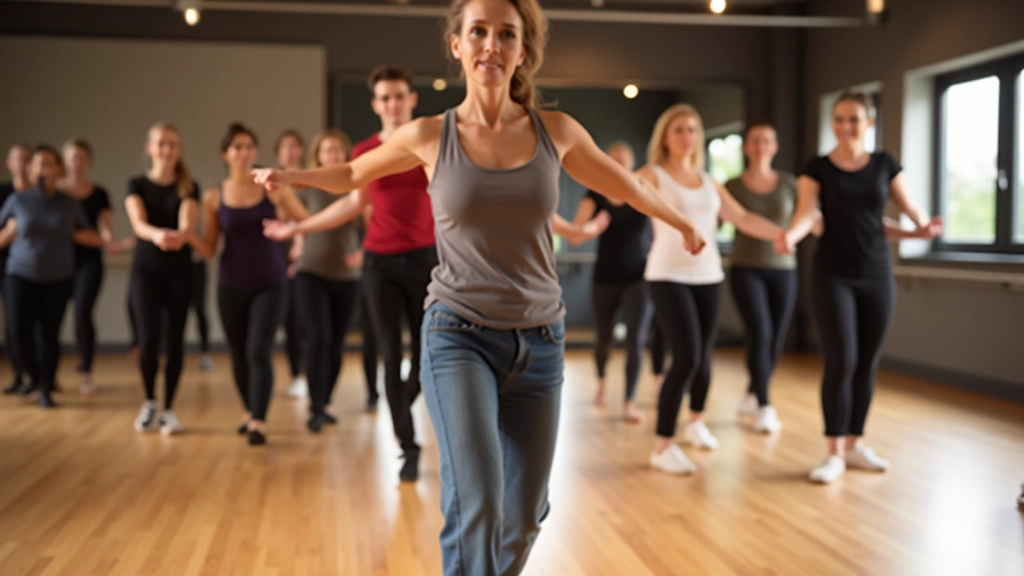
Don't underestimate this part. You'll be sweating in front of strangers for 60 minutes.
Supportive Vibe
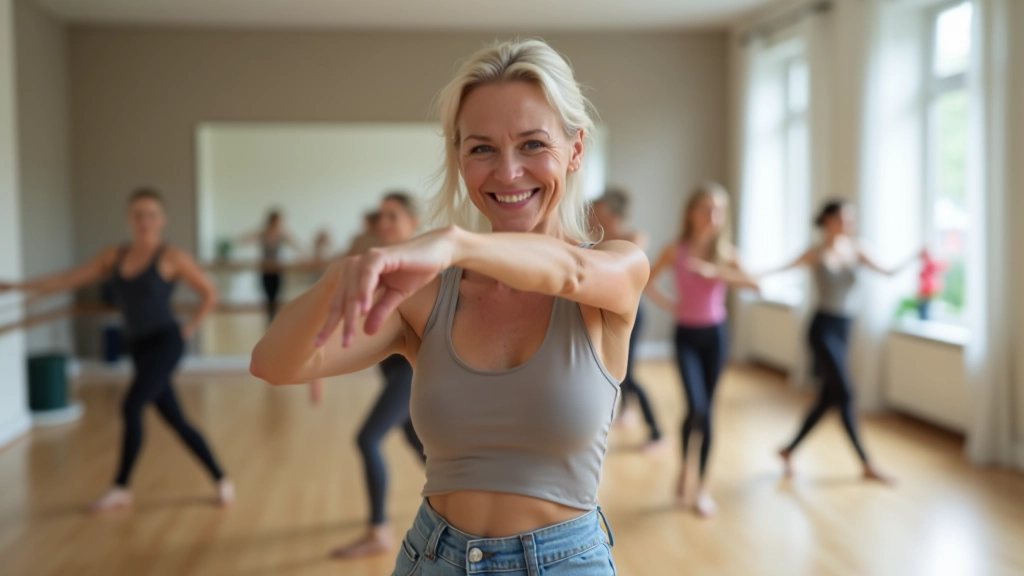
People should be encouraging, not competitive. You want to feel like everyone's there to learn and have fun, not prove something. A school where people laugh at their own mistakes instead of getting frustrated — that's the place.
Mixed Age Groups
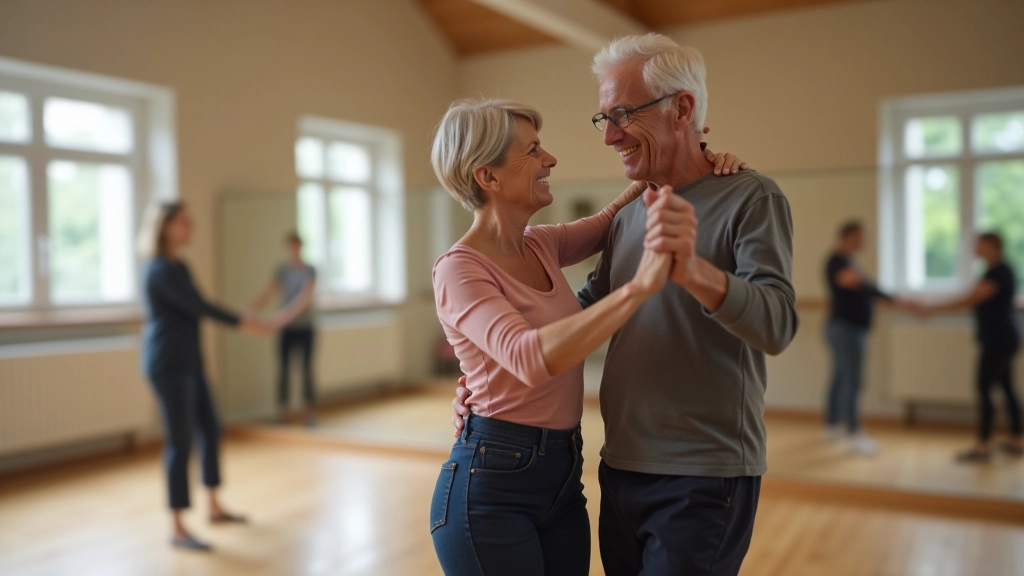
If you're older and the class is all 20-year-olds, it can feel isolating. Good beginner classes have people from different ages. That normalizes everyone being new at the same time.
Cleanliness and Facilities
This shouldn't be surprising but check the bathrooms, the floor condition, and whether the space is actually clean. A worn-out studio with sticky floors doesn't inspire confidence or comfort.
Practical Questions to Ask
Before you commit, here's what you should know. Ask about trial classes — most good schools let you try a class for free or a very small fee. Don't skip this. It's the best way to get a real feel for the place.
Find out about their pricing structure and what's included. Do you pay per class or for a package? Can you pause your membership if you travel? What's their cancellation policy? You want something flexible, especially when you're just starting.
Ask if they do social dances or events outside of classes. Some schools organize practice socials where you can dance with other students in a more relaxed setting. That's valuable for building confidence and actually applying what you're learning.
Check their website and social media. Do they actually update it? Responsive communication is a good sign. If you email with a question and get a reply within a day, that matters.

Red Flags to Watch For
1
No Trial Classes
If they won't let you try a class first, that's suspicious. Good schools are confident enough to let you experience what they offer.
2
Long-Term Contracts Only
Requiring 6-month or year-long commitments for beginners is a bad sign. You should be able to try things month-to-month.
3
Instructor Discourages Questions
You're paying to learn. An instructor who gets annoyed when you ask for clarification isn't right for beginners.
4
Pressure to Buy Extra Classes
If they're constantly pushing you to buy private lessons or extra sessions, something's off. Progress should come from the group class first.
5
No Beginner-Specific Classes
If they throw beginners into intermediate classes, you'll get frustrated and quit. Look for schools that actually separate levels.
Making Your Choice
Choosing a dance school doesn't have to be stressful. Visit 2-3 places, try at least one class at each, and notice how you feel. Are you excited to go back? Did the instructor make you feel welcome? Are the people friendly? Those feelings matter more than any checklist.
The right school for you is the one where you'll actually show up. That's it. It could be a fancy studio in central Rīga or a smaller place in Sigulda. What counts is whether you'll walk through that door next week and the week after.
Remember — you're not locked in forever. If you choose a school and it's not working, you can try somewhere else. But most people find the right fit pretty quickly once they know what to look for.
Educational Information
This article provides educational information about selecting a dance school. The guidance offered reflects general best practices and considerations. Individual circumstances vary widely — what works for one person may differ for another. Before starting any new physical activity, consult with your doctor, especially if you have existing health conditions or concerns. Dance schools should maintain proper safety standards and insurance. This article is not a formal recommendation of any specific school or endorsement of particular establishments in Rīga or Sigulda.