
Understanding the Basic Step
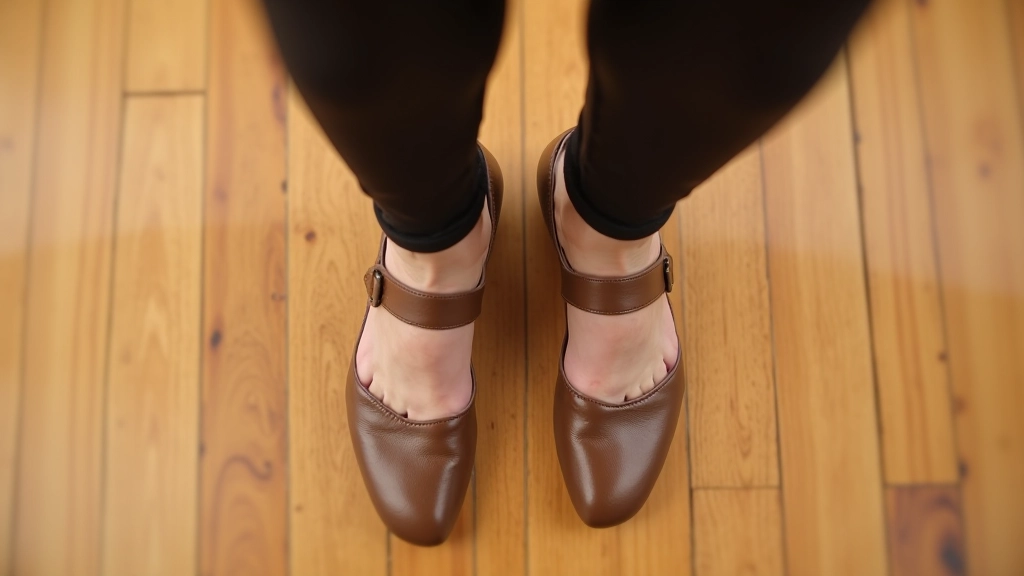
The foundation of salsa is straightforward. It's not as complex as it might look on a crowded dance floor. You're moving forward and back on a repeating eight-count rhythm. That's it. Forward on counts 1, 2, 3. Back on counts 5, 6, 7. Count 4 and 8 are pauses where you shift weight.
Most people overthink the footwork at first. They're watching their feet instead of listening to the music. But once you feel the pattern a few times, your body remembers it. We've taught adults who said they had "two left feet" — they're dancing confidently within 4-5 weeks.
Finding Your Rhythm and Timing
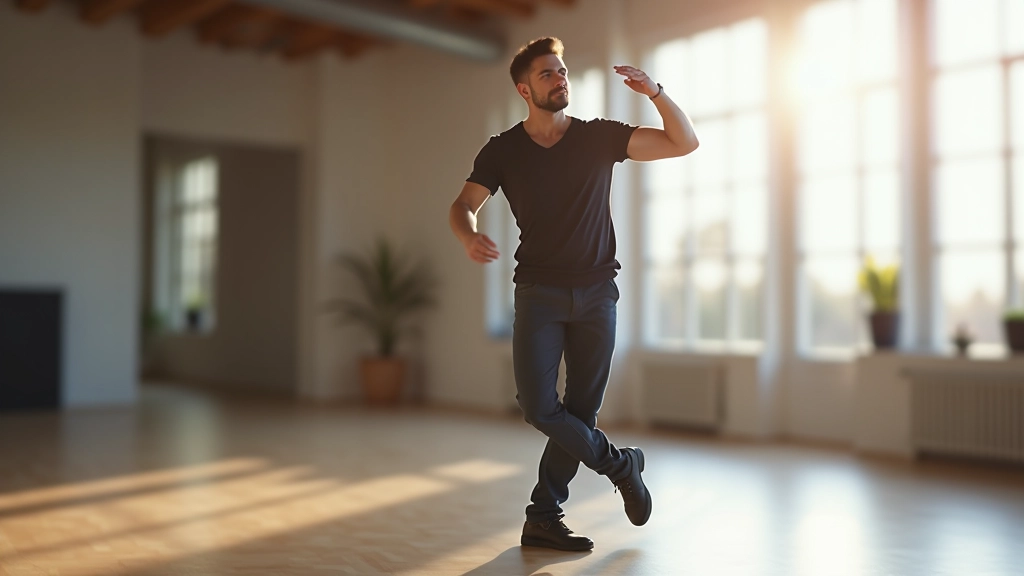
Salsa music is built on a clave rhythm — a specific beat pattern that repeats. You don't need to understand music theory. You just need to count along and feel where the pulse is. Most salsa tracks run at 170-180 beats per minute, which sounds fast until you realize you're stepping on every other beat.
We start beginners with slower music — around 90-100 BPM — so you can hear each beat clearly. You'll gradually work up to faster tempos. The amazing thing? Your body adapts. After a month of regular practice, the faster songs don't feel rushed anymore.
Pro Tip: Count Out Loud
Don't be shy about counting. In the early weeks, saying "1-2-3, pause, 5-6-7, pause" keeps your brain and feet synchronized. It feels awkward for maybe one session. Then it clicks.
Body Movement and Connection
Here's what surprises most adults: salsa isn't just about your feet. Your hips, shoulders, and upper body move too. But it's not wild or exaggerated. The movement comes from your core — your midsection — not from throwing your hips around. You're shifting your weight side to side while your upper body stays relatively calm.
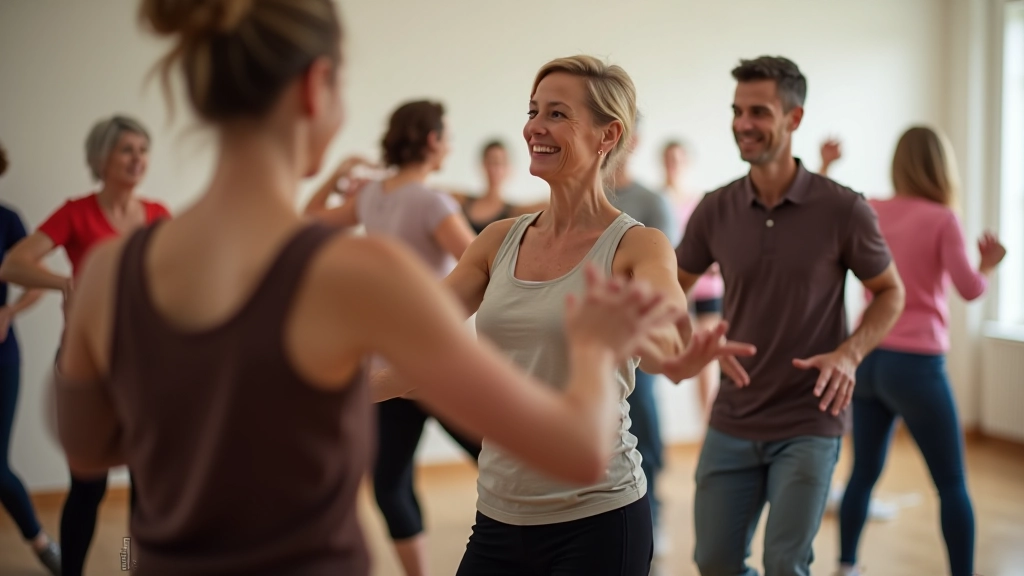
If you're dancing with a partner, there's a connection through the hands and frame. Your partner feels where you're going because of that contact. They're not guessing. This is why leading and following feel natural once you get the timing right. You're having a conversation through movement.

Starting Solo Before Partnership
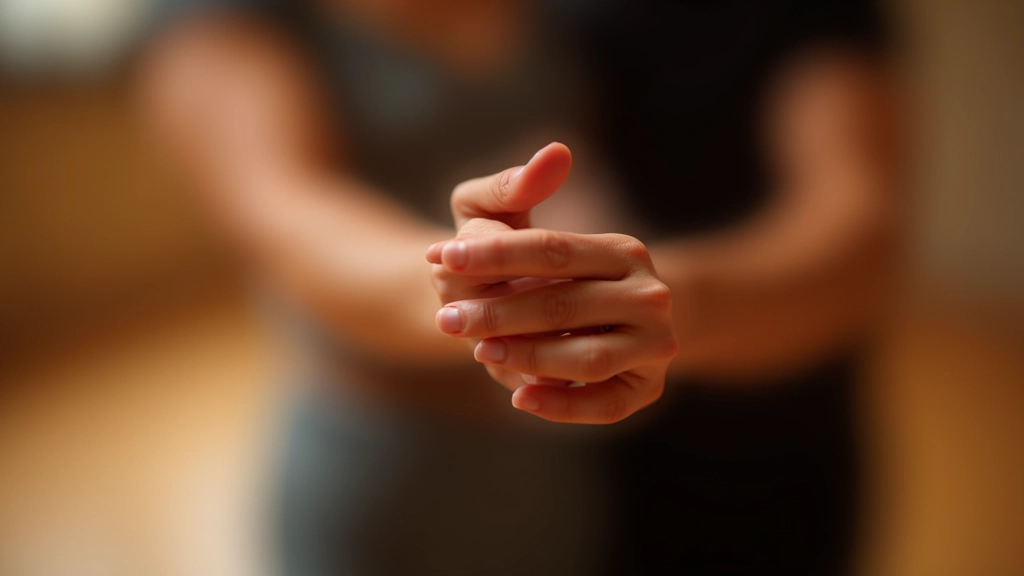
We always begin with solo dancing. You learn the footwork without worrying about someone else's timing. This takes the pressure off. There's no "wrong" — you're just moving to music. After 2-3 sessions, once you're comfortable with the basic step, we introduce partner work.
Dancing solo is actually useful even later on. It's how you practice new patterns, build confidence, and just enjoy the music on your own terms. Plus, it's genuinely fun. You're moving, you're in rhythm, and you're getting a real workout without it feeling like exercise.
Your First Month — What to Expect
Weeks 1-2: Foundation
Basic step, counting, getting used to moving to music. You'll feel a bit clumsy — that's normal. Your brain is learning something new.
Weeks 3-4: Confidence Building
The basic step becomes automatic. You're introducing partner work. You'll notice your balance improving and your posture naturally straightening.
By Week 5: Real Progress
You're dancing, not thinking about dancing. Simple turns start making sense. You might even surprise yourself on the floor.
Why Age Isn't the Issue
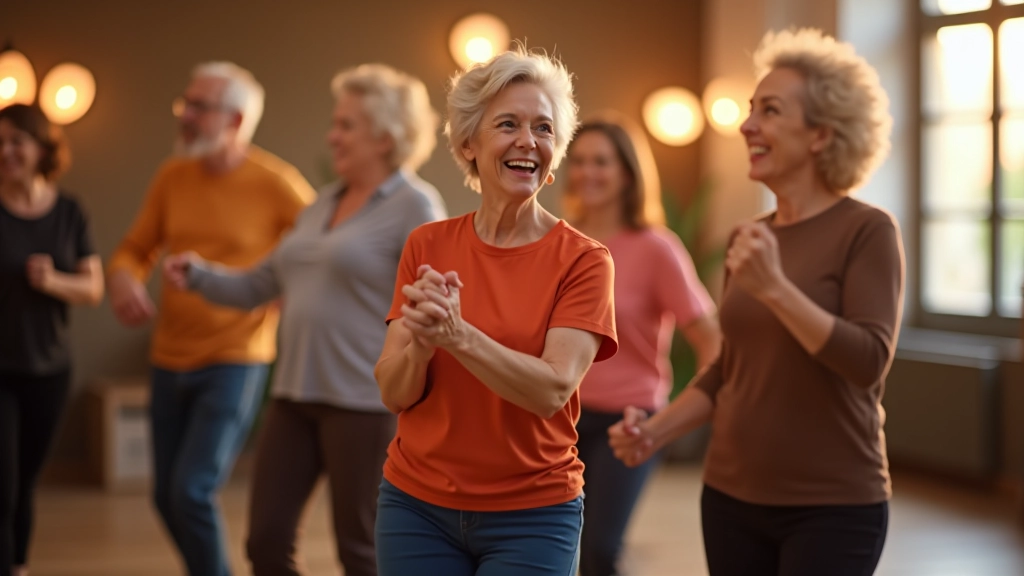
We've taught salsa to people from 45 to 75. There's no age where your body suddenly forgets how to dance. Sure, you might not have danced in decades. You might be concerned about balance or flexibility. But salsa isn't demanding in those ways. It's a walking pattern with rhythm. Your joints don't need to be super flexible, and your balance actually improves as you practice.
What we see is that mature students bring something younger students don't: patience. They're not trying to rush. They listen to feedback. They show up consistently. These are the people who genuinely progress and enjoy the process.
Getting Started
Salsa fundamentals aren't mysterious or out of reach. The basic step is simple. The timing is logical. The movement comes naturally once you practice. You don't need special talent or a younger body. You just need to show up and be willing to look a bit silly for the first session or two.
Most people who walk into a beginner class with doubts walk out wanting to come back. That's because they've felt the rhythm, they've moved to music, and they've realized their body still knows how to do this. The rest is just repetition and enjoyment.
Educational Disclaimer
This article is informational and educational in nature. It provides general guidance about salsa dance fundamentals for mature adults. Individual results vary based on fitness level, prior experience, and consistency. If you have any health concerns, joint issues, or mobility limitations, consult with a healthcare provider before starting any new physical activity. Dance instruction is best learned under the guidance of a qualified, certified instructor who can provide personalized feedback and ensure proper technique.