Health Benefits of Dancing After 45 in the Baltic Climate
Dancing improves balance, cardiovascular health, and mental wellbeing — especially important during longer Baltic winters. Why it's one of the best activities for your age group.

Why Your Body Loves to Dance
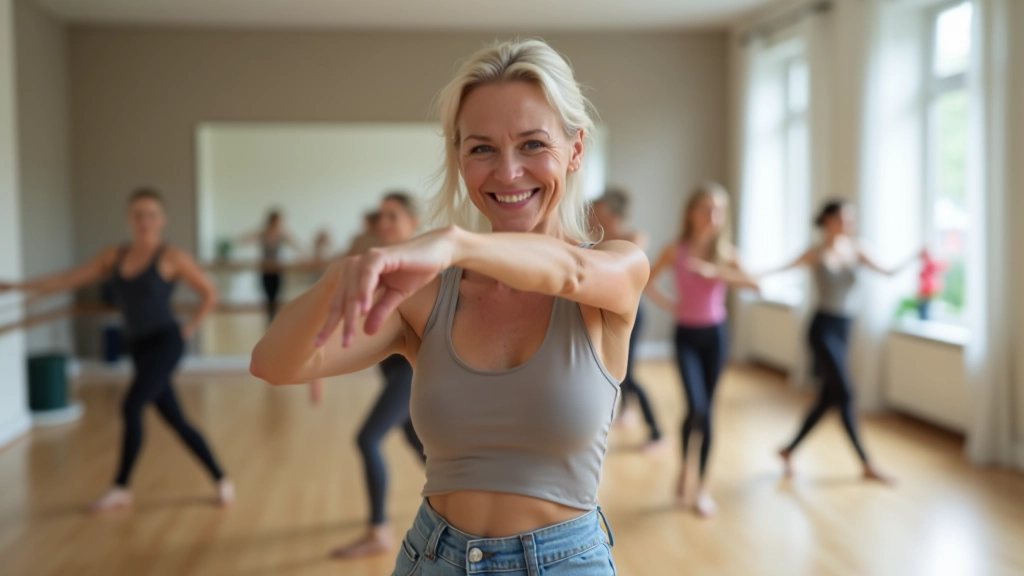
Let's be honest — staying active after 45 can feel tough. You're not as bouncy as you used to be, winter lasts forever in the Baltics, and maybe you've convinced yourself that dancing is for young people. But here's the thing: your body's actually built for movement at this stage of life. It's craving it.
Dancing isn't some intense workout you're dreading. It's rhythmic movement that happens to strengthen your heart, sharpen your balance, and wake up parts of your brain that've been dormant. Plus, when you're dancing with other people in a warm studio during those dark February nights? That's doing something your mental health absolutely needs right now.
Your Heart Gets Stronger — Without Feeling Like Exercise
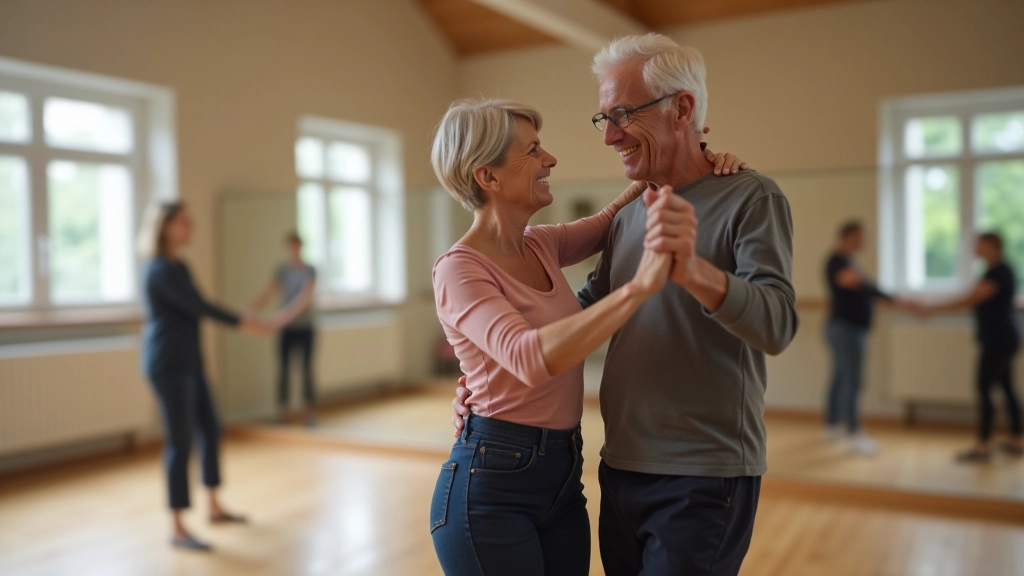
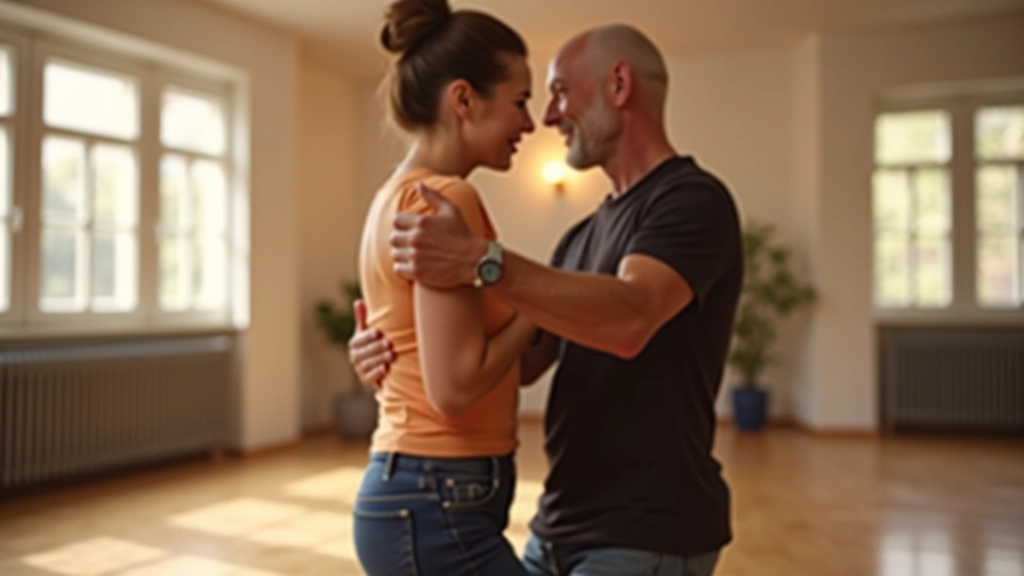
Here's what's happening when you're dancing: your heart rate climbs steadily. Not in those intense spikes that come with running, but in a smooth, sustainable way. A typical session of bachata or salsa for about 45 minutes keeps your heart working in that sweet spot where it builds endurance without overwhelming your system.
Studies show that adults who dance regularly have lower resting heart rates and better cardiovascular efficiency. Your arteries get more flexible. Your blood pressure stays healthier. And the best part? You're not staring at a wall in a gym watching the minutes tick by. You're moving to music, connecting with rhythm, talking to people next to you between songs. That context matters — it's why people stick with dancing when they abandon treadmills after two weeks.
The Baltic Advantage: Winter darkness triggers seasonal mood changes in a lot of people. Regular movement indoors during those long nights actively counteracts that. You're getting your cardiovascular work in while also protecting your mental state.
Balance & Stability: Preventing Falls Before They Happen
Fall prevention is real health talk for people in this age group. It's not glamorous, but slips on icy Latvian sidewalks or missteps at home actually matter. Dance training directly addresses this. Every single step in bachata or salsa requires you to shift weight, maintain posture, and stay aware of where your body is in space. That's proprioception — and it degrades if you don't use it.
After just 8-12 weeks of regular dancing, people report noticing differences: steadier walking, more confidence on uneven ground, fewer stumbles. Your core stabilizer muscles wake up. Your ankles get stronger. Your brain gets better at coordinating multiple limbs at once — which is exactly the neural work that keeps you stable when you're carrying groceries down the stairs.
- Improved ankle stability through constant micro-adjustments
- Stronger core muscles that support your entire spine
- Better spatial awareness and coordination
- Faster reflexes when you catch yourself
The Brain Boost Nobody Talks About
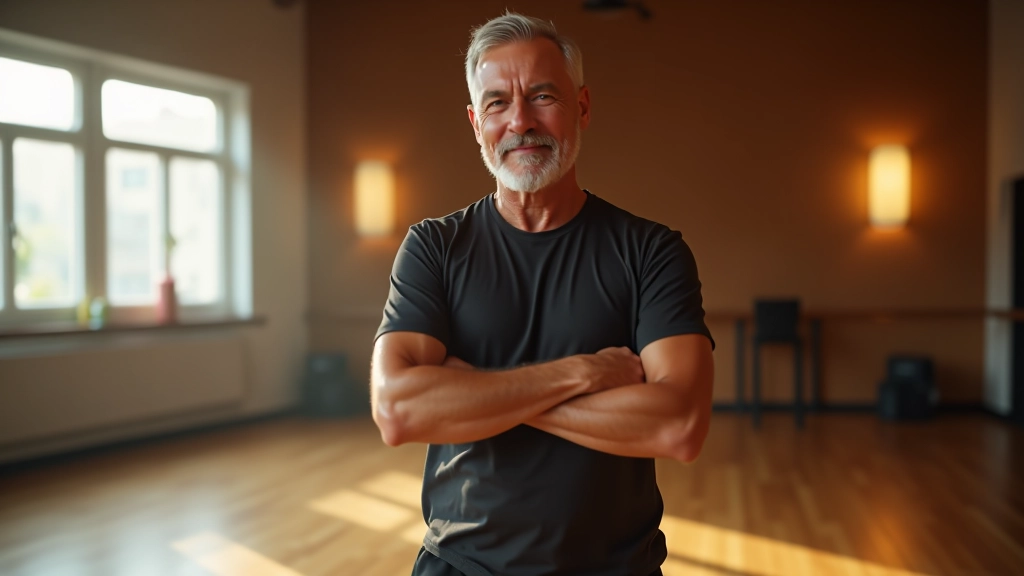
Dancing might be the best brain workout you're not doing. When you're learning a new pattern, listening to music, following a partner, and staying aware of the room around you — your brain is firing on multiple channels simultaneously. That's cognitive engagement at a serious level. It's why people who dance regularly show measurable improvements in memory, attention span, and processing speed.
There's also the social piece. You're not home alone — you're in a room with people your age, most of whom are beginners just like you. There's no judgment. There's music, there's movement, there's actual conversation. That connection is what protects against depression and cognitive decline. Studies on older adults consistently show that social engagement through group activities like dancing predicts better long-term health outcomes than isolated exercise.
Winter darkness in the Baltics hits different. But when you're committed to a weekly class, you've got a reason to get out of the house, see faces, and move your body. That structure alone is protective.
Starting Your Dancing Practice: What Actually Works
Start with the Right Shoes
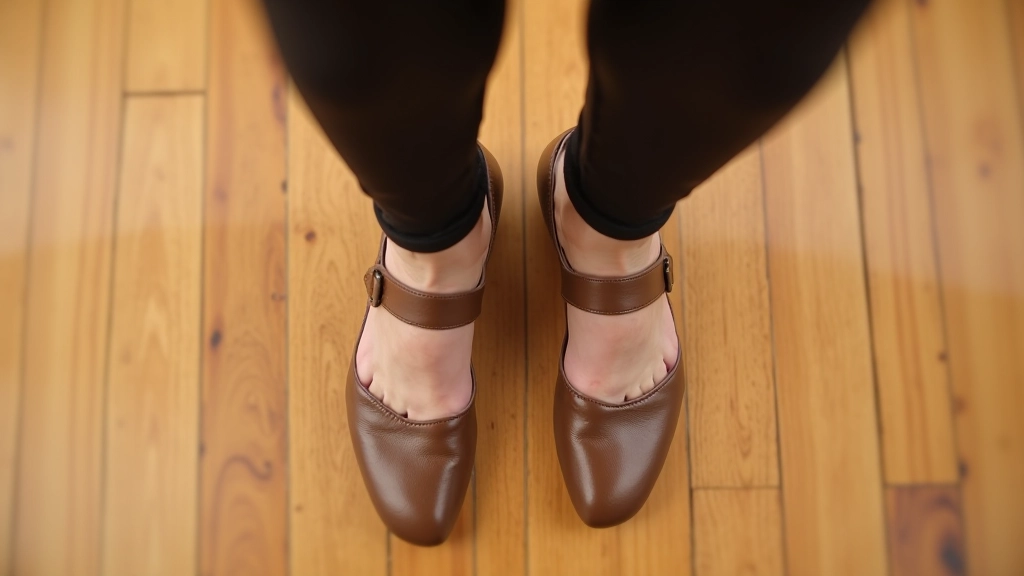
You don't need expensive dance shoes yet. What you need is shoes with flexible soles that let your foot move naturally. Sneakers are actually fine for your first few sessions. But eventually, investing in basic dance shoes (ballroom or Latin style) makes a difference in how your feet feel and how quickly you progress.
Commit to Consistency, Not Intensity
One or two sessions per week, every week, beats sporadic marathon sessions. Your body adapts better to regular rhythm. Your brain learns faster when you practice the same steps repeatedly. Plus, showing up regularly means you'll see familiar faces, which keeps the social motivation strong through winter months.
Find a Class That Feels Right
Not every dance studio or instructor will be a fit. You want a beginner class that doesn't rush, an instructor who actually explains technique (not just demonstrates), and people roughly your age. Most studios offer a trial class. Use it. Don't commit until you've felt the vibe.
Listen to Your Body
Dancing shouldn't hurt. If something in your knee, hip, or shoulder doesn't feel right, mention it to the instructor. They can show you modifications. Your body's been around for 45+ years — it's smart about what it needs. Respect that.
You've Got This
Dancing after 45 isn't about becoming a dancer. It's about choosing movement that feels good, that connects you with other people, and that your body actually wants to do. The health benefits — stronger heart, better balance, sharper mind, better mood — those follow naturally when you're doing something you enjoy.
If you're in Latvia, you've got access to good studios and instructors who know exactly what they're doing with beginner classes for mature adults. The darkness of winter, the cold — those aren't reasons to skip it. They're reasons to make it a priority. Your future self will be grateful.
Ready to explore dance classes in your area?
Explore Dance Schools in Rīga & SiguldaDisclaimer
This article is informational and educational in nature. While dancing offers well-documented health benefits, individual results vary. If you have existing health conditions, joint issues, or haven't been active recently, consult with your doctor before starting a new physical activity. A qualified dance instructor can offer modifications for specific needs. This content isn't a substitute for professional medical or fitness advice.
More Articles You Might Like