Dance Guide
First Steps in Bachata — What Every Beginner Should Know
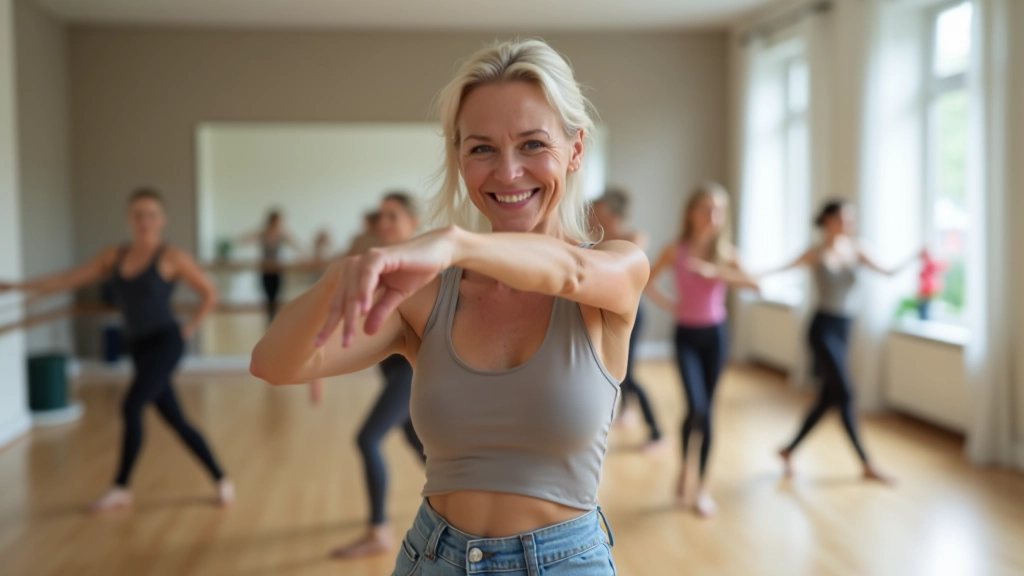
Start with the basic step, understand the music, and learn why bachata's a perfect first social dance for mature adults. We'll cover what to expect in your first class.

Why Bachata for Beginners?
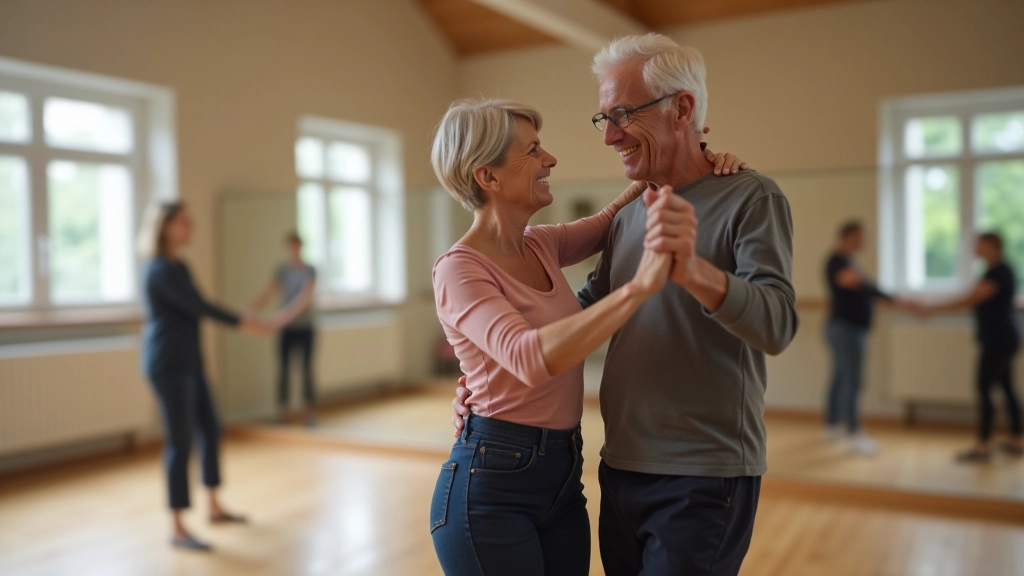
Bachata is one of the most welcoming social dances you'll encounter. It's slower than salsa, the rhythm's easier to pick up, and the basic step takes just a few minutes to learn. Most importantly, it's intimate without being intimidating — you're dancing close to a partner, but in a way that feels natural and respectful.
The first time you step into a bachata class, you're joining something that's been bringing people together for decades. It's a dance that originated in the Dominican Republic and has spread across the world. What makes it special is that it doesn't require you to be flexible, young, or have any prior dance experience. We've taught bachata to people in their 50s, 60s, and beyond — and they're often the ones having the most fun.
The Basic Step: Side, Together, Side
Here's the thing about bachata — the basic step is genuinely simple. You'll count: one, two, three, five, six, seven. (Notice there's no four — that's the signature pause.) On count one, you step to the side. On two, you bring your feet together. On three, you step to the side again. Then you pause on four. Then you repeat the whole pattern in the opposite direction.
Most students master this in about 15-20 minutes. It's not complicated movement — it's smooth, controlled, and repetitive. The rhythm comes naturally once your body understands the pattern. We've found that people who think they "can't dance" often discover they can do this step better than they expected. Your hips will move slightly because of the rhythm, but you're not trying to pop or isolate — it's just natural movement.
The count matters: One, two, three, (pause), five, six, seven, (pause). This 8-count rhythm is bachata's heartbeat.
Understanding the Music and Rhythm
Bachata music is typically slower than salsa — usually around 120 beats per minute. That slower pace is actually a gift for beginners. You're not rushing. There's time to think about where your feet go. The rhythm is consistent and predictable, which means once you hear it a few times, you'll start anticipating where the beat lands.
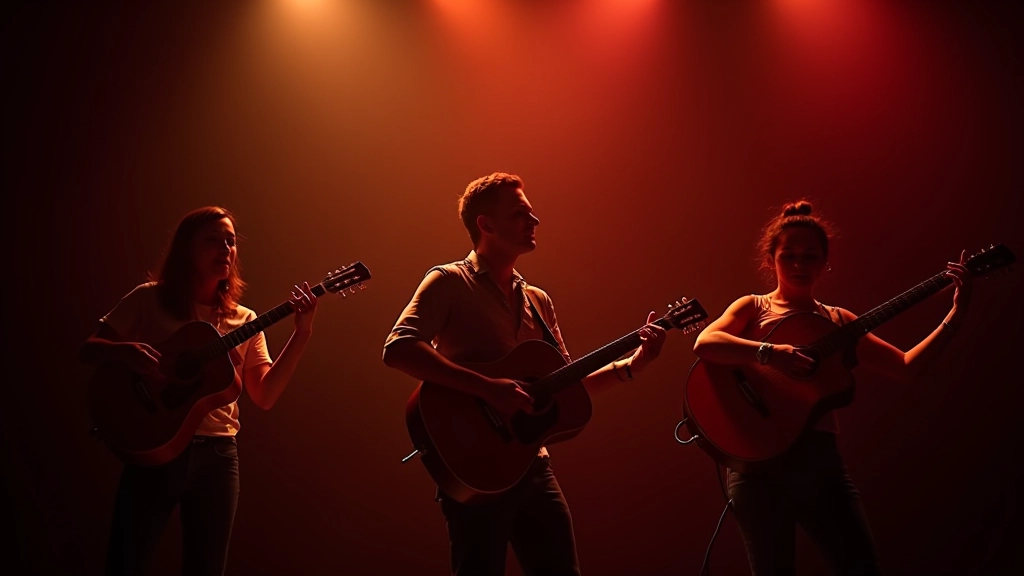
The music itself has a romantic quality. Bachata comes from the Dominican tradition of telling stories through song — often about love, heartbreak, or resilience. When you're dancing bachata, you're not just moving to a beat. You're connecting with a musical tradition. The guitar-forward instrumentation creates warmth. You'll hear strings, congas, and vocals that blend together in a way that makes you want to move.
Don't worry if you can't hear the rhythm perfectly at first. Most beginners rely on their partner to guide them. In a good class, your instructor will count aloud. You'll hear "one, two, three" called out repeatedly. Within 3-4 classes, your body starts to recognize the pattern without thinking about it.
Partnership and Connection
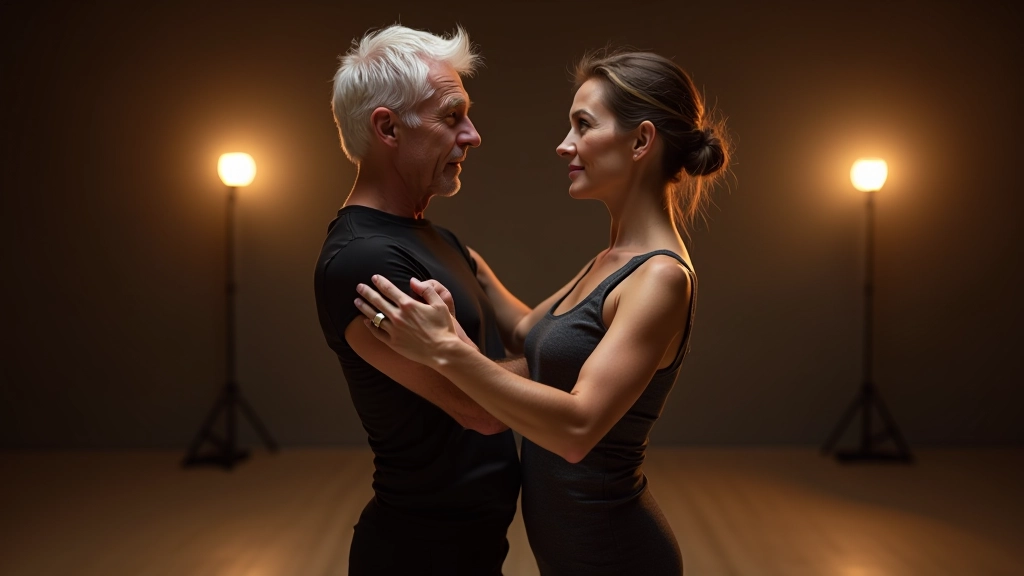
Bachata is a partner dance, and this is where it gets interesting. You're not just moving to music — you're communicating with another person through movement. The follower responds to subtle leads from the leader. The leader needs to be clear but gentle. It's a conversation without words.
In your first class, you'll learn about frame and connection. Frame is basically your posture and how you hold your arms. For the basic step, the leader typically has their right hand on the follower's left shoulder blade, and they hold hands with their other hands. It sounds formal, but it's actually quite natural once you're in it. The connection is about maintaining gentle tension — not pulling, not rigid, just present.
Here's what we tell nervous beginners: your partner isn't judging you. Everyone in that room was new once. Most people who take beginner classes are there because they want to learn, not because they're experts. You'll rotate partners regularly, which means you'll get used to dancing with different people. This builds confidence fast.
What to Expect in Your First Class
1
Arrival and Setup
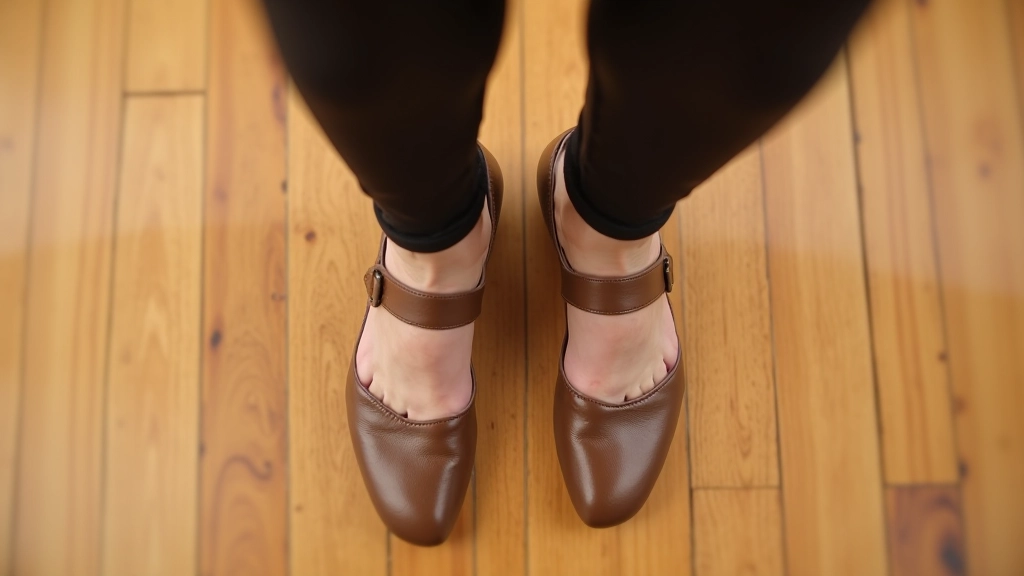
Arrive 10 minutes early. You'll need to wear dance shoes or clean sneakers with flexible soles. No street shoes on the dance floor. The instructor will introduce themselves, explain what you'll cover, and make everyone feel comfortable.
2
Warm-up
The class starts with gentle movement. You'll loosen your hips, move your shoulders, and get your body ready. It's not strenuous. The instructor is checking that everyone's feeling good and ready to start.
3
Basic Step Breakdown
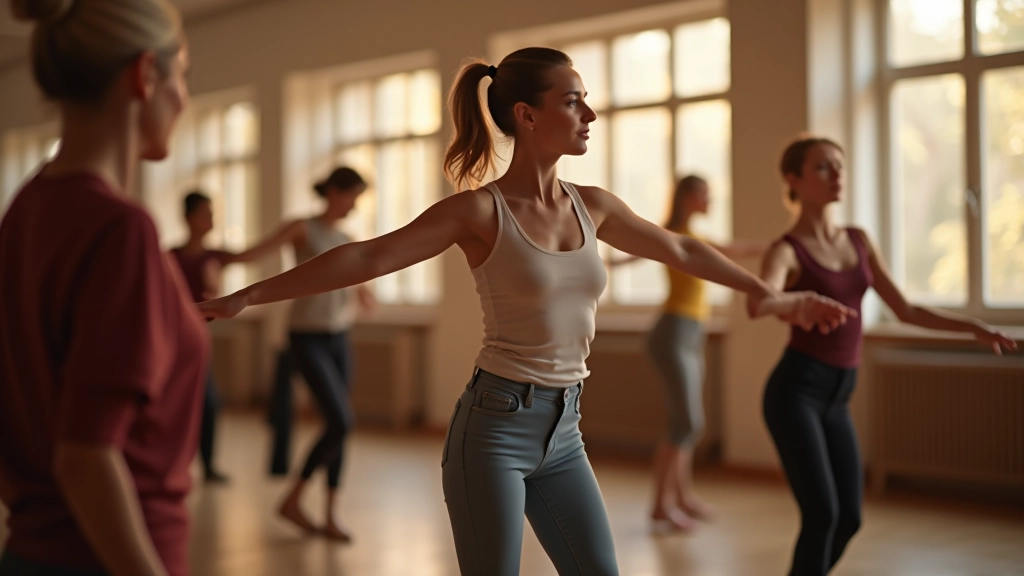
You'll learn the step without a partner first. The instructor demonstrates, counts aloud, and walks you through it. Then you'll do it with a partner. Don't be surprised if it feels awkward at first — that's completely normal. It takes about 3-4 repetitions for your body to relax into it.
4
Frame and Connection
The instructor will explain how to hold your partner and how to maintain connection. You'll practice the basic step with proper frame. This is where the dance starts to feel like dancing instead of just stepping.
5
Full-Song Practice
You'll dance to a complete bachata song. Three minutes might feel long the first time, but you'll get through it. The instructor is there to help. Most people feel a real sense of accomplishment after dancing a full song.
6
Cool Down
The class ends with gentle stretching and cool-down. You'll feel relaxed and probably a bit energized. This is also when people chat, ask questions, and connect with other students.
Tips for Success in Your First Few Classes
Go With No Expectations
You're not supposed to be good yet. Nobody expects that. Just focus on enjoying the process and being curious about what you're learning.
Listen to Bachata Outside Class
Spend time with bachata music. Let your ear get familiar with the rhythm and sound. When you recognize songs in class, it makes everything easier.
Wear Comfortable Clothes
You need to move freely. Avoid tight jeans or restrictive clothing. Soft pants and a comfortable shirt are perfect.
Come Regularly
One class teaches you the basics. Two or three classes in your first month builds muscle memory. Consistency is more important than intensity.
Ask Questions
Good instructors love when beginners ask questions. If you don't understand something, raise your hand. There's no such thing as a silly question.
Be Patient With Yourself
Your body needs time to learn new movement patterns. Coordination develops gradually. By week four, things that felt impossible will feel natural.
Connect With Your Partner
Remember that your partner is also learning. Smile. Make eye contact. The best dances happen when both people are relaxed and present.
Your Bachata Journey Starts Now
Bachata isn't complicated. It's a dance designed for connection and joy. The basic step is learnable, the music is beautiful, and the community of dancers is welcoming. You don't need to be flexible, young, or experienced. You just need to show up, stay curious, and give yourself permission to be a beginner.
Most people who walk into their first bachata class feeling nervous leave feeling excited. They've moved their body in a new way. They've connected with a partner. They've heard music that moved them. That's what bachata offers — not perfection, but presence. Not expertise, but joy.
So if you've been thinking about taking that first class, this is your sign. Bachata is waiting for you. It's a dance that welcomes everyone, and there's a place in the circle for you too.
Disclaimer
This article is for educational purposes and provides general information about learning bachata as a beginner. Individual experiences vary, and progression depends on factors like personal fitness, prior movement experience, and class frequency. Always consult with a qualified dance instructor or healthcare professional before starting any new physical activity, especially if you have health concerns or physical limitations. Dance instructors are educators, not medical professionals. Information provided here is based on general dance teaching practices and should not replace personalized instruction or medical advice.
Related Articles